Finding the right decision-makers used to mean hours of manual research, outdated spreadsheets, and emails that bounced. Sales intelligence software changed that by pulling contact data, company insights, and buying signals into one place where your team can actually act on them.
This guide breaks down what sales intelligence tools do, which features matter most, and how the top platforms compare on capabilities and pricing.
What Is Sales Intelligence Software
Sales intelligence software pulls together contact data, intent signals, and buyer behavior from multiple sources so sales teams can prospect smarter and close deals faster. Instead of manually researching every lead, you get a unified view of who to contact, when to reach out, and what to say.
The core idea is simple: these platforms track online activity, public records, and CRM data to spot buying signals. When a company starts researching solutions like yours, the software surfaces that information through alerts and lead scoring.
- Unifies data: Pulls contact info, company details, and behavioral signals into one dashboard
- Identifies intent: Tracks which accounts are actively researching your category right now
- Enables action: Provides lead scoring and recommendations so you can prioritize the right opportunities
Key Features to Look for in Sales Intelligence Tools
Before comparing specific platforms, it helps to know which capabilities actually matter. Not every feature will be relevant to your team, but a few are non-negotiable.
Contact and Company Data Accuracy
Verified emails and phone numbers are the foundation. Without accurate contact data, even the best outreach strategy goes nowhere because your messages never reach real people, especially when 70% of CRM data contains outdated, incomplete, or inaccurate information.
Look for platforms that verify contact information in real-time rather than relying on static databases. Data decays fast in B2B since people change jobs constantly, with contact records decaying at a 30% annual rate. Broad global coverage matters too, especially if you’re prospecting in industries like healthcare, legal, or technology, where decision-makers can be harder to find.
B2B Intent Data and Buying Signals
Intent data tracks which companies are actively researching solutions in your category. Instead of cold-calling prospects who may not be interested, you can focus on accounts already showing buying behavior, since B2B buyers conduct an average of 12 online searches before visiting a specific brand’s website.
The best B2B sales intelligence platforms analyze digital behaviors across thousands of content sites to generate topic-level signals. When a company suddenly starts consuming content about “CRM migration” or “sales automation,” that’s a signal worth acting on.
CRM and Sales Engagement Integrations
Your sales intelligence tool is only as useful as its connection to your existing workflow. Native integrations with Salesforce, HubSpot, Outreach, and Salesloft keep data synced automatically and cut down on manual entry.
Teams already invested in a tech stack benefit most from platforms that offer one-click exports and real-time sync. The goal is to enrich your CRM records without switching between tabs all day.
AI-Powered Recommendations and Automation
AI capabilities have become a key differentiator. Lookalike contact suggestions help you discover prospects similar to your best customers, while automated list building keeps your pipeline fresh without manual effort.
Some platforms also offer AI-assisted message writing that personalizes outreach at scale. RocketReach’s AI-powered Recommendations, for example, surface similar contacts based on your search patterns and user behavior across millions of searches.
Browser Extensions for Real-Time Prospecting
Browser extensions let you find contact information while browsing LinkedIn or company websites. For BDRs and recruiters who spend hours researching prospects, this capability saves significant time.
The best extensions load quickly and surface verified data directly on the page you’re viewing. Speed and reliability matter here since a slow extension disrupts your workflow more than it helps.
Top Sales Intelligence Platforms Compared
Here’s how the leading sales intelligence tools stack up:
| Platform | Best For | Key Strength | Pricing Model |
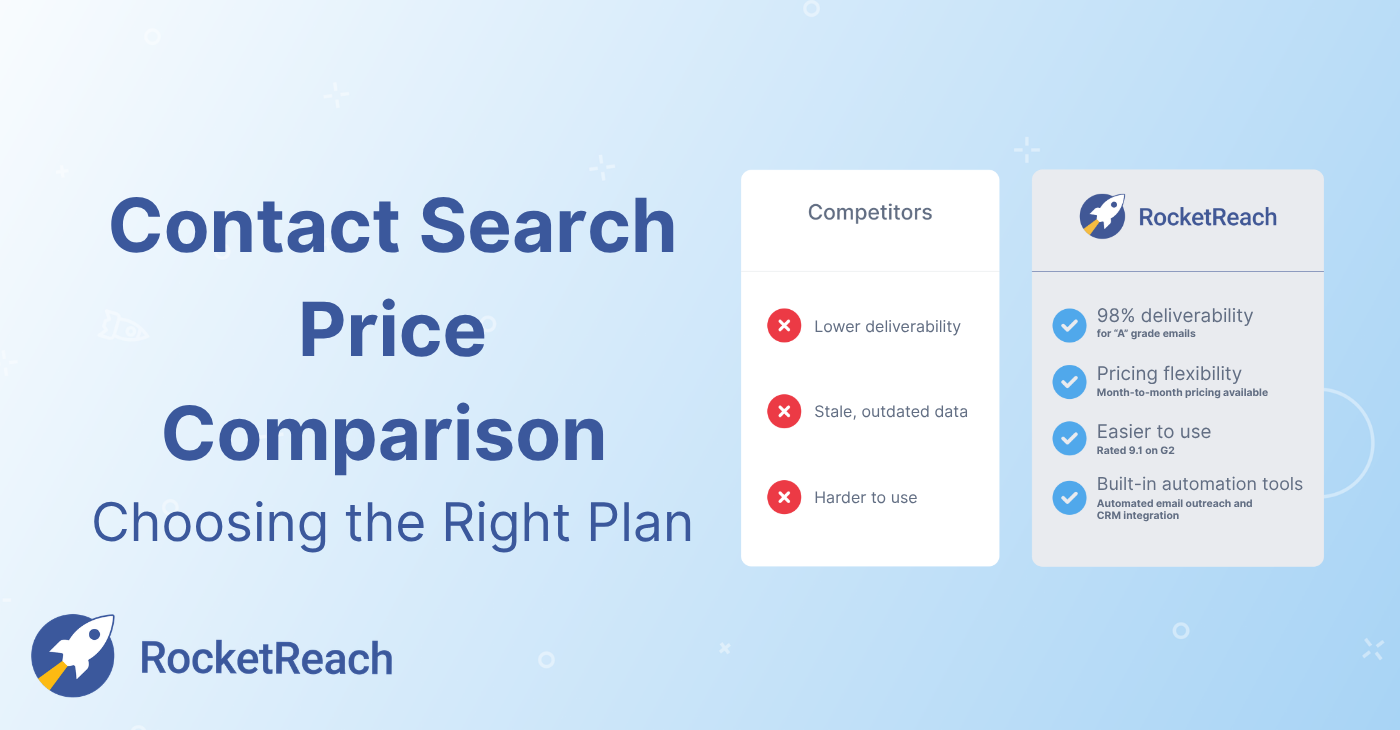
| RocketReach | Verified contact data | 98% email deliverability on A-grade emails | Tiered plans |
| ZoomInfo | Enterprise teams | Data breadth and intent | Annual contract |
| Apollo.io | All-in-one outreach | Integrated sequences | Tiered plans |
| Cognism | International prospecting | EMEA coverage | Annual contract |
| LinkedIn Sales Navigator | Social selling | LinkedIn ecosystem | Per-seat subscription |
| Lusha | Quick contact lookups | Ease of use | Credit-based |
| Seamless.AI | Real-time verification | AI-powered search | Tiered plans |
| Clearbit | Data enrichment | CRM record enrichment | Usage-based |
| UpLead | Simplicity | Straightforward interface | Tiered plans |
| Lead411 | Trigger-based alerts | Intent + direct dials | Annual contract |
RocketReach
RocketReach has built its reputation on delivering what sales teams actually need: accurate contact information at scale. With over 700 million professional profiles and 60 million companies in its database, RocketReach offers both the breadth of coverage and depth of data quality that modern go-to-market teams demand.
The platform doesn’t make you choose between quantity and accuracy; you get both. Whether you’re prospecting into Fortune 500 enterprises or emerging startups, RocketReach’s database spans industries, geographies, and seniority levels while maintaining verification standards that actually matter.
AI-powered recommendations surface lookalike contacts based on your search patterns, while Autopilot creates automated workflows that discover and engage prospects with minimal setup. Trusted by 95% of the S&P 500 and 30 million users.
ZoomInfo
ZoomInfo is widely recognized as a market leader with an extensive B2B database and robust intent signals. The platform offers deep firmographic data and is often the choice for enterprise organizations with larger budgets.
Pricing typically requires large annual contracts, which can be a barrier for smaller teams testing the waters. ZoomInfo excels when you need those large enterprise features, but here’s the catch: most teams never use 80% of these features, yet pay for all of them.
Apollo.io
Apollo.io combines contact data with built-in email sequences in a single platform. The product orbits around building and running multistep cadences (email, call, social) with task queues, templates, and lightweight analytics baked in. Its database, roughly 275 million contacts and 73 million companies, mostly exists to fuel those sequences rather than to rival a dedicated data engine.
For companies in need of advanced sequencing capabilities, Apollo is a good contender, but Apollo’s data accuracy has also become a growing pain point. According to the SalesForge Apollo review, users have experienced bounce rates up to 35% in some cases; a red flag for anyone running cold email campaigns at scale.
Cognism
Cognism stands out for EMEA data coverage, making it a strong choice for teams prospecting internationally.
LinkedIn Sales Navigator
Sales Navigator is LinkedIn’s native tool for social selling within the LinkedIn ecosystem. It excels at relationship mapping and warm introductions through shared connections. However, it doesn’t provide direct email addresses or phone numbers.
Lusha
Lusha built its reputation on a simple, fast browser extension for quick contact lookups. The interface is intuitive, making it popular with individual contributors who want immediate results. Credit-based pricing works well for lower-volume users but can become expensive at scale.
Seamless.AI
Seamless.AI focuses on real-time contact verification with an AI-powered search interface. Reviews on data accuracy are mixed, so testing with your specific target market is worthwhile before committing.
Clearbit (Breeze Intelligence)
Clearbit, now part of HubSpot as Breeze Intelligence, specializes in data enrichment rather than prospecting. It’s ideal for teams wanting to enrich existing CRM records with firmographic and technographic data.
UpLead
UpLead offers a straightforward contact database with real-time email verification. Teams wanting simplicity without complex features often find UpLead hits the sweet spot between capability and usability.
Lead411
Lead411 combines intent data with verified direct dials and trigger-based alerts on company events like funding rounds or executive changes.
Sales Intelligence Software Pricing Overview
Pricing models vary significantly across sales intelligence companies. Understanding the structure helps you budget accurately.
- Per-seat licensing: Pay per user, often with unlimited or capped lookups included
- Credit-based models: Purchase credits consumed with each contact lookup
- Tiered plans: Feature access scales with plan level
- Enterprise contracts: Custom pricing with annual commitments and dedicated support
Most top sales intelligence tools offer free trials or freemium tiers. Take advantage of trial periods to evaluate data quality for your specific target market before signing a contract.
How to Choose the Best Sales Intelligence Platform for Your Business
The right platform depends on your team size, budget, and existing tech stack. Here’s how to think about the decision at different stages.
Best Sales Intelligence Software for Small Business
Small teams benefit from platforms with low per-seat costs and quick time-to-value. Freemium options let you test before committing, and all-in-one platforms reduce the number of subscriptions you’re juggling.
Look for intuitive interfaces that don’t require extensive training. Your time is limited, so the tool works best when it delivers results out of the box.
Best B2B Sales Intelligence Platform for Mid-Market Teams
Mid-market teams typically prioritize scalability and strong CRM integrations. As prospect volumes grow, automation becomes essential to maintain velocity without adding headcount.
Evaluate platforms based on team collaboration features like shared lists, activity tracking, and role-based permissions.
Best Sales Intelligence Tools for Enterprise Organizations
Enterprise buyers prioritize compliance (CCPA, SOC 2), API access for custom integrations, and dedicated support. Data breadth across global markets is critical for multinational prospecting.
Consider evaluating multiple data sources since no single provider covers every industry and geography equally well, potentially leveraging contact data APIs for programmatic access.
Common Limitations of Sales Intelligence Platforms
Even the best tools have constraints worth understanding upfront.
- Data decay: Contact information becomes outdated as people change roles
- Coverage gaps: Some platforms have weak data in specific industries or regions
- Learning curve: Advanced features like intent data and automation require onboarding
- Integration friction: Not every tool connects seamlessly with every CRM configuration
Setting realistic expectations helps you get value faster and avoid frustration.
How Sales Intelligence Differs from CRM Software
A common point of confusion: CRM software like Salesforce or HubSpot manages existing relationships and pipeline, while sales intelligence tools help discover and enrich new prospects.
The two work together rather than competing. Sales intelligence feeds fresh, verified data into your CRM, keeping records accurate and giving your team new opportunities to pursue. Think of CRM as your system of record and sales intelligence as your system of discovery.
Build Smarter Prospect Lists with Verified Contact Data
Effective sales intelligence starts with accurate, verified data. Without it, even sophisticated intent signals and AI recommendations lead nowhere.
The best platforms combine broad coverage, real-time verification, and workflow automation to compress hours of manual research into minutes. When your emails actually reach inboxes and your phone numbers connect to real people, everything downstream improves.
FAQs about Sales Intelligence Software
What are sales intelligence tools?
Sales intelligence tools are software platforms that aggregate contact data, company information, and buying signals to help sales teams identify and prioritize prospects. They replace manual research with automated discovery, providing verified emails, phone numbers, and intent data in one place.
Which sales intelligence tool is top rated in the market?
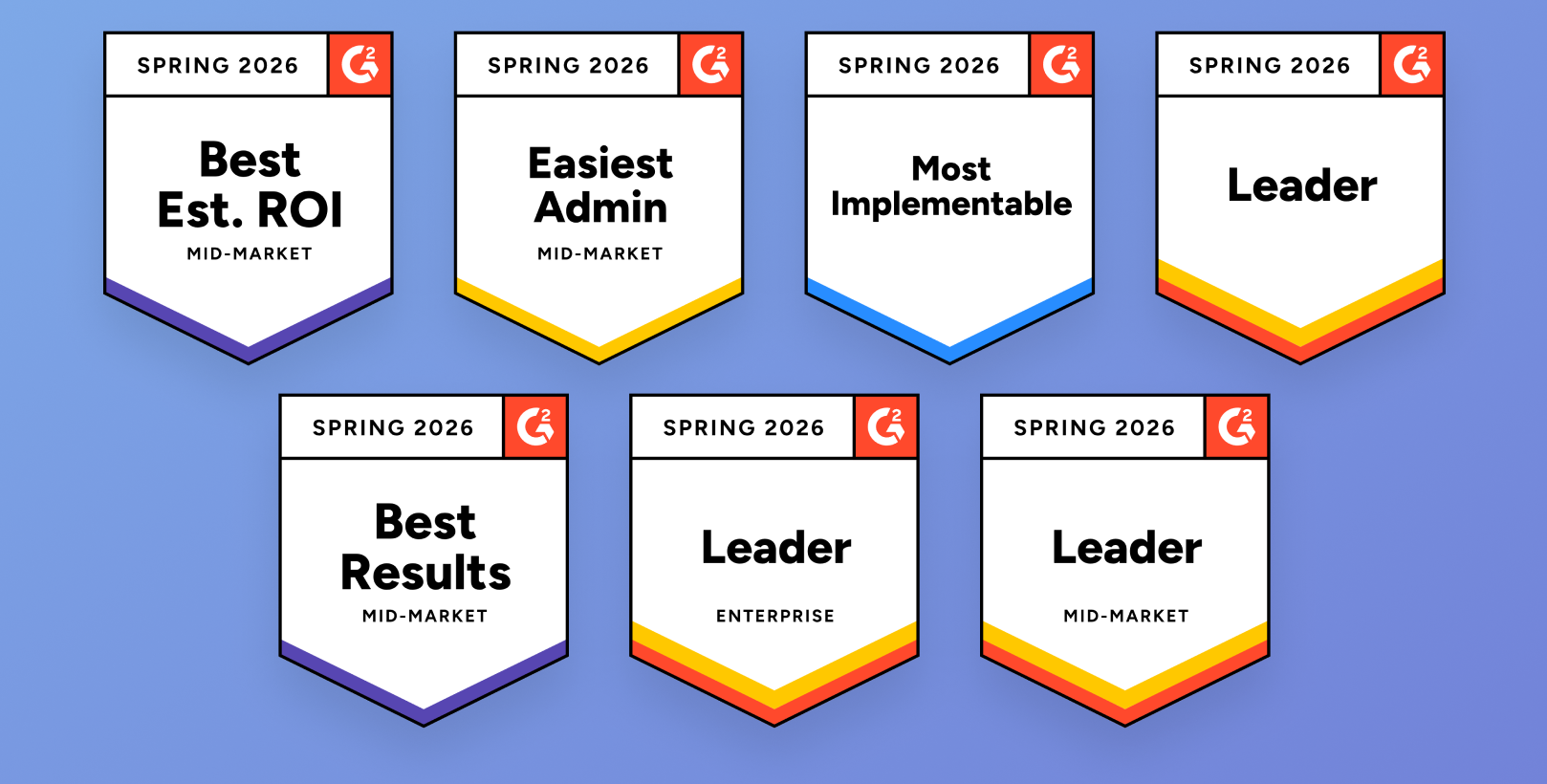
Top-rated tools vary by use case, but RocketReach, ZoomInfo, Apollo.io, and Cognism consistently rank highly on review sites like G2. The best choice depends on your team size, budget, target market, and integration requirements.
Which AI tool is best for B2B sales prospecting?
AI-powered platforms like RocketReach, Apollo.io, and Gong use machine learning to recommend lookalike prospects, score leads, and personalize outreach. The best fit depends on whether you prioritize contact discovery, conversation analysis, or automated sequencing.
How do sales intelligence platforms measure ROI?
ROI is typically measured by improvements in email deliverability, response rates, meetings booked, and pipeline generated compared to manual prospecting. Teams also track time saved on research and data entry as efficiency metrics.